
For many intended parents, understanding the surrogacy process UAE couples can legally and safely follow is the first step toward building a family. Although surrogacy regulations within the UAE are restrictive, many couples still pursue parenthood through international surrogacy programs with proper medical guidance, fertility expertise, and legal support.
Today, UAE residents increasingly explore ethical and medically supervised surrogacy journeys abroad. However, the process can feel overwhelming without the right information. From fertility evaluations and embryo creation to surrogate matching and legal documentation, every stage requires careful planning.
This guide explains the complete surrogacy process UAE couples should understand before beginning their journey. It also highlights medical, legal, emotional, and financial considerations to help intended parents make informed decisions confidently.
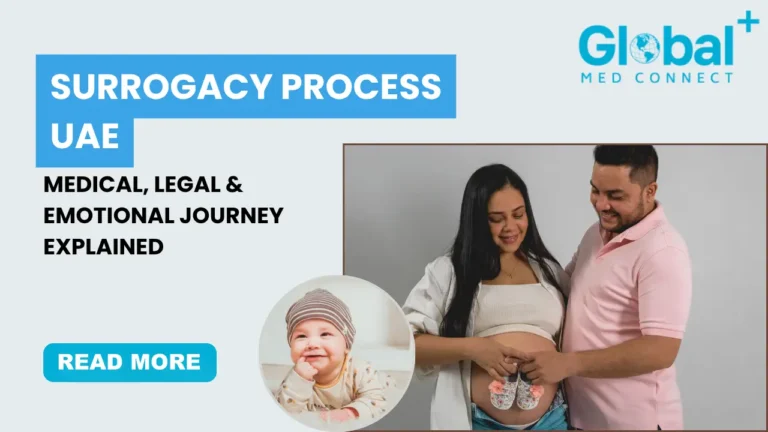
Understanding the Surrogacy Process UAE Couples Commonly Follow
The surrogacy process UAE residents typically pursue often involves international fertility and surrogacy programs. Since commercial surrogacy is not broadly permitted locally, intended parents usually work with fertility specialists and surrogacy agencies in countries where surrogacy is legally regulated.
The process generally includes:
- Fertility consultation and medical assessment
- Legal counseling and documentation
- IVF and embryo creation
- Matching with a surrogate mother
- Embryo transfer procedure
- Pregnancy monitoring
- Delivery and parenthood documentation
Each stage requires medical coordination, legal clarity, and emotional preparedness. Therefore, working with experienced fertility experts becomes essential for a smooth experience.
For a detailed overview of legal and medical aspects, read this comprehensive guide on surrogacy in the UAE through Global Med Connect.
Step 1: Initial Fertility Consultation and Medical Evaluation
The first stage of the surrogacy process UAE couples begin involves a detailed fertility consultation. Fertility specialists assess the reproductive health of intended parents and determine the most suitable treatment pathway.
During this stage, doctors may recommend:
- Hormonal testing
- Ultrasound evaluations
- Semen analysis
- Genetic screening
- Fertility history review
- IVF planning consultations
Additionally, specialists evaluate whether the intended mother can safely carry a pregnancy or whether surrogacy offers the best option medically.
According to World Health Organization (WHO), infertility affects millions of people globally, making assisted reproductive technologies increasingly important for family building.
Who May Consider Surrogacy?
Surrogacy may be recommended for:
- Women with recurrent IVF failures
- Patients with uterine abnormalities
- Individuals with serious medical conditions
- Couples experiencing repeated pregnancy loss
- Intended parents seeking alternative family-building options
Therefore, personalized fertility assessments help determine whether surrogacy is medically appropriate.
Step 2: Understanding Legal Aspects of the Surrogacy Process UAE Residents Pursue
Legal guidance is one of the most important parts of the surrogacy process UAE couples must consider carefully. Since laws differ significantly between countries, intended parents should always seek professional legal consultation before proceeding.
Legal experts usually help with:
- International surrogacy regulations
- Parentage rights
- Birth certificate procedures
- Citizenship documentation for the child
- Surrogacy agreements
- Travel documentation after birth
Furthermore, choosing countries with transparent surrogacy laws can help reduce complications later in the journey.
Because fertility and surrogacy laws frequently evolve, intended parents should rely on updated legal advice rather than online assumptions.
Step 3: IVF and Embryo Creation
Once medical evaluations are completed, the next stage in the surrogacy process UAE pathway involves in vitro fertilization (IVF).
During IVF treatment:
- The intended mother or egg donor undergoes ovarian stimulation
- Eggs are retrieved in a fertility clinic
- Sperm samples are collected
- Fertilization occurs in the laboratory
- Healthy embryos are developed and monitored
In many cases, fertility specialists also recommend genetic testing before embryo transfer to improve implantation success and reduce inherited conditions.
Importance of Embryo Quality
Embryo quality plays a major role in successful pregnancy outcomes. Therefore, advanced fertility laboratories use sophisticated embryo monitoring and freezing technologies to improve success rates.
According to Mayo Clinic, IVF has become one of the most effective assisted reproductive technologies available today.
Step 4: Matching With a Surrogate Mother
The surrogate matching stage is emotionally significant within the surrogacy process UAE couples experience abroad.
Surrogates are usually selected after extensive:
- Medical screening
- Psychological assessments
- Infectious disease testing
- Pregnancy history evaluation
- Lifestyle assessments
Additionally, intended parents often discuss expectations, communication preferences, and pregnancy support arrangements with the surrogate.
Key Factors in Surrogate Selection
Choosing the right surrogate involves several considerations:
- Healthy previous pregnancies
- Emotional readiness
- Stable lifestyle
- Medical compatibility
- Legal eligibility
Because surrogacy is deeply personal, emotional comfort and trust are equally important during the matching process.
Step 5: Embryo Transfer Procedure
After legal approvals and surrogate preparation, doctors proceed with embryo transfer. This stage marks one of the most anticipated milestones in the surrogacy process UAE intended parents undertake.
The embryo transfer procedure itself is minimally invasive and usually painless. Fertility specialists carefully place the embryo into the surrogate’s uterus under ultrasound guidance.
Following the transfer:
- Hormonal medications continue
- Pregnancy testing occurs after approximately two weeks
- Ultrasound scans confirm implantation success
Although success rates vary depending on age and embryo quality, modern fertility advancements have significantly improved outcomes worldwide.
Step 6: Pregnancy Monitoring and Prenatal Care
Once pregnancy is confirmed, the surrogate receives regular prenatal care throughout the pregnancy journey.
Pregnancy monitoring usually includes:
- Routine ultrasounds
- Blood tests
- Nutritional guidance
- Maternal health monitoring
- Fetal growth assessments
Meanwhile, intended parents often remain closely involved through regular updates, virtual consultations, and scheduled visits depending on the program structure.
Emotional Support During the Journey
The surrogacy process UAE families experience can be emotionally intense. Therefore, counseling and emotional support remain essential for:
- Intended parents
- Surrogates
- Family members involved in the process
Professional support helps manage expectations, reduce anxiety, and strengthen communication throughout the pregnancy journey.
Step 7: Delivery and Post-Birth Documentation
The final stage of the surrogacy process UAE intended parents complete involves childbirth and legal parenthood formalities.
After delivery, legal procedures may include:
- Birth certificate registration
- Parentage confirmation
- Passport applications
- Citizenship documentation
- UAE travel documentation for the baby
Because these processes vary internationally, legal experts usually coordinate directly with intended parents to ensure compliance.
Additionally, intended parents should prepare in advance for temporary international stays after childbirth while documentation is finalized.
Cost Considerations in the Surrogacy Process UAE Couples Explore
The total cost of surrogacy depends on several factors, including:
- Fertility treatments
- IVF cycles
- Legal services
- Surrogate compensation
- Medical expenses
- Travel costs
- Pregnancy monitoring
Therefore, financial planning becomes an important part of the journey.
Couples comparing international treatment destinations can explore this detailed guide on surrogacy cost comparison UAE vs worldwide.
Choosing the Right Fertility and Surrogacy Partner
Selecting an experienced fertility partner can significantly improve the overall experience. Intended parents should look for providers offering:
- Transparent communication
- Ethical surrogacy practices
- International patient support
- Advanced IVF technology
- Legal coordination assistance
- Emotional counseling services
Additionally, personalized care helps intended parents feel more confident throughout each stage of the process.
Learn more about advanced fertility and surrogacy solutions through Global Med Connect Surrogacy Services.
Common Challenges During the Surrogacy Journey
Although many journeys are successful, intended parents should understand potential challenges involved in the surrogacy process UAE residents pursue internationally.
Possible challenges may include:
- Legal complexities between countries
- Emotional stress
- IVF cycle failures
- Delays in documentation
- Financial planning concerns
- Travel coordination
However, working with experienced fertility and legal professionals can help minimize complications and provide reassurance throughout the process.
Emotional Readiness for Intended Parents
Surrogacy is not only a medical process but also an emotional journey. Therefore, intended parents should prepare mentally for:
- Waiting periods
- Medical uncertainties
- Cross-border coordination
- Emotional ups and downs
Support groups, fertility counselors, and experienced healthcare teams can make the journey more manageable and emotionally balanced.
Final Thoughts on the Surrogacy Process UAE Couples Should Know
The surrogacy process UAE couples explore today has become more structured, medically advanced, and internationally accessible than ever before. Although the journey involves legal, emotional, and financial considerations, proper guidance can make the experience smoother and more reassuring.
From fertility assessments and IVF treatment to surrogate matching and post-birth legal procedures, every step requires careful coordination and trusted medical expertise.
For intended parents seeking compassionate support and advanced fertility guidance, Global Med Connect provides personalized assistance for international surrogacy and fertility care solutions tailored to your parenthood journey.
Frequently Asked Questions About the Surrogacy Process UAE Couples Explore
The legality of surrogacy for UAE residents depends on where the surrogacy procedure is performed. While surrogacy regulations within the UAE are restrictive, many UAE couples legally pursue international surrogacy programs in countries where the process is medically regulated and legally recognized. Therefore, intended parents should always consult experienced fertility specialists and legal advisors before beginning the surrogacy journey. Proper legal planning helps avoid documentation, citizenship, and parenthood complications later.
The complete surrogacy process UAE couples follow typically takes between 12 to 24 months, depending on several factors. These may include fertility evaluations, IVF success rates, surrogate matching timelines, legal procedures, and pregnancy duration. Additionally, some intended parents may require multiple IVF cycles before achieving a successful pregnancy. Working with experienced fertility coordinators can help streamline the process and reduce unnecessary delays.
The cost of the surrogacy process UAE couples pursue internationally can vary significantly based on the destination country, medical requirements, IVF procedures, legal fees, and surrogate-related expenses. In most cases, the total cost may include fertility testing, embryo creation, medications, surrogate compensation, prenatal care, delivery charges, and legal documentation. Therefore, intended parents should request transparent treatment plans and detailed financial breakdowns before starting the process.
Yes, many intended parents choose gestational surrogacy, where embryos are created using the intended mother’s eggs and intended father’s sperm through IVF treatment. However, if there are fertility challenges such as low ovarian reserve or sperm-related issues, doctors may recommend donor eggs or donor sperm. Fertility specialists perform detailed medical assessments to determine the safest and most effective reproductive approach for each couple.
Success rates for the surrogacy process UAE intended parents pursue depend on multiple factors, including maternal age, embryo quality, fertility history, and overall reproductive health. In general, younger eggs and high-quality embryos are associated with higher IVF and surrogacy success rates. Additionally, advances in fertility technology, embryo freezing, and genetic testing have improved pregnancy outcomes globally. Fertility experts can provide personalized success estimates after a comprehensive medical evaluation.
Contact us
Have Questions? We're Just a Click Away!
Call us to this number for immediate support
+971 56 757 0688
+44 7570569435


