
Infertility treatment has advanced significantly over the last decade, and sperm processing IVF UAE has become an important part of successful fertility care. Couples undergoing fertility treatment often focus on egg quality and embryo development. However, sperm collection, preparation, and fertilization methods also play a major role in treatment outcomes. Since male factors contribute to a substantial portion of infertility cases, understanding sperm handling procedures can help patients make informed decisions.
Modern fertility centers in the UAE use sophisticated laboratory techniques to improve fertilization outcomes and embryo quality. Furthermore, these techniques allow fertility specialists to identify healthier sperm cells and increase the chances of successful conception.
Whether a couple is undergoing standard IVF, ICSI, or advanced reproductive treatments, understanding sperm collection and fertilization procedures helps create realistic expectations and a better treatment experience.
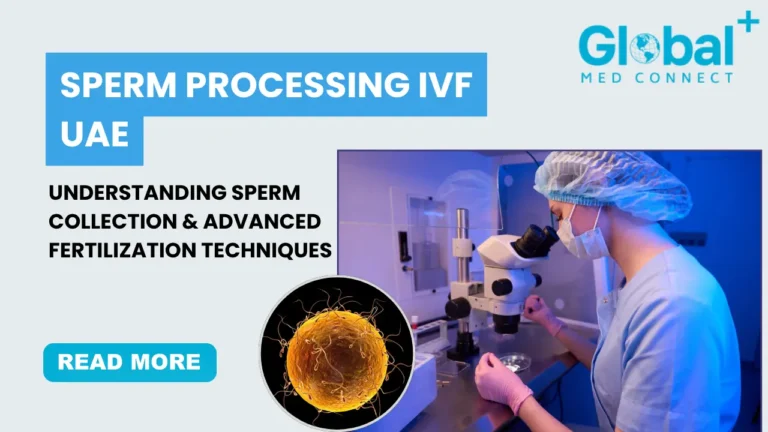
Understanding Sperm Processing IVF UAE
Sperm processing IVF UAE refers to laboratory techniques used to collect, prepare, analyze, and optimize sperm before fertilization occurs. The process is designed to select the healthiest and most motile sperm cells while removing debris, dead cells, and unnecessary substances.
The main goals of sperm processing include:
- Selecting high-quality sperm
- Improving sperm motility
- Enhancing fertilization rates
- Reducing laboratory contamination
- Supporting healthy embryo development
Because every patient has unique fertility conditions, fertility specialists customize sperm processing methods according to medical history and diagnostic findings.
Why Sperm Processing Matters During IVF
Sperm quality affects fertilization success and embryo development. Although natural conception allows millions of sperm to compete naturally, IVF procedures require careful laboratory selection.
Several sperm characteristics influence fertility outcomes:
- Sperm concentration
- Motility
- Morphology
- DNA integrity
- Overall sperm health
When sperm quality is reduced, fertilization rates may decline. Consequently, advanced sperm processing techniques can help overcome male fertility challenges.
Additionally, laboratory optimization improves the likelihood of selecting stronger sperm cells capable of supporting healthy embryo growth.
Sperm Collection Methods Used During Sperm Processing IVF UAE
Before fertilization can occur, sperm must first be collected properly. UAE fertility centers use multiple collection approaches depending on the patient’s condition.
1. Standard Semen Collection
Standard semen collection remains the most common approach.
The process usually involves:
- Collection through ejaculation
- Sterile sample containers
- Private collection rooms within the fertility clinic
- Timely laboratory transfer
Most clinics request patients to maintain approximately two to five days of abstinence before sample collection because this period often supports optimal sperm quality.
2. Frozen Sperm Samples
Some patients choose sperm freezing before treatment.
Reasons may include:
- Cancer treatment planning
- Travel requirements
- Future fertility preservation
- Surgical procedures
- Personal convenience
Frozen samples undergo thawing and laboratory assessment before IVF treatment begins.
3. Surgical Sperm Retrieval Techniques
Some men have conditions where sperm cannot be collected through ejaculation. Therefore, fertility specialists may use surgical retrieval procedures.
Common procedures include:
- TESA (Testicular Sperm Aspiration)
- PESA (Percutaneous Epididymal Sperm Aspiration)
- TESE (Testicular Sperm Extraction)
These procedures help retrieve sperm directly from reproductive tissues.
Laboratory Preparation in Sperm Processing IVF UAE
After collection, sperm samples enter the laboratory preparation stage.
Laboratory specialists evaluate:
- Sperm count
- Sperm movement
- Shape and morphology
- Semen volume
- Presence of infection or abnormalities
Subsequently, the sample undergoes purification techniques designed to isolate healthier sperm.
Conventional IVF Fertilization
Traditional IVF involves placing prepared sperm and eggs together inside laboratory culture dishes.
The process includes:
- Egg retrieval
- Sperm preparation
- Mixing sperm with eggs
- Observation of natural fertilization
This technique may work well when sperm quality remains within acceptable ranges.
For a complete understanding of treatment stages, patients can review the detailed guide on IVF procedure steps in UAE
Relationship Between Egg Retrieval and Fertilization Success
While sperm processing IVF UAE plays a major role, successful outcomes also depend on healthy eggs.
Egg quality, timing, and retrieval methods influence embryo development significantly.
Patients preparing for treatment may also benefit from understanding the complete process and recovery expectations in IVF egg retrieval process and recovery tips
Factors That Can Affect Sperm Quality
Several lifestyle and medical factors can influence sperm health.
Common factors include:
- Smoking
- Excessive alcohol intake
- Obesity
- Chronic stress
- Hormonal imbalance
- Poor nutrition
- Exposure to toxins
- Certain medications
Therefore, fertility specialists often recommend lifestyle improvements before beginning IVF treatment.
Suggested habits include:
- Maintaining healthy body weight
- Regular physical activity
- Balanced nutrition
- Stress management
- Adequate sleep
- Avoiding tobacco use
Safety and Quality Standards in UAE Fertility Laboratories
The UAE follows strict medical standards for fertility care.
Modern laboratories frequently maintain:
- Controlled temperature systems
- Advanced embryo culture technology
- Sterile laboratory environments
- Specialized fertility professionals
- Quality monitoring systems
These measures help support patient safety and treatment quality.
For evidence-based reproductive health information, patients can explore World Health Organization reproductive health resources and Mayo Clinic fertility information.
Final Thoughts
Understanding sperm processing IVF UAE helps patients appreciate how laboratory science contributes to successful fertility treatment. From sperm collection and preparation to advanced fertilization procedures such as ICSI, each stage is carefully designed to improve reproductive outcomes.
Modern fertility centers in the UAE continue adopting advanced technologies that support better sperm selection, embryo development, and individualized patient care. Since every fertility journey differs, consultation with experienced specialists remains important when choosing the most suitable treatment path.
Take the Next Step Toward Your Parenthood Journey
Looking for personalized fertility guidance and advanced reproductive solutions? Visit Global Med Connect UAE to explore fertility services, expert support, and patient-focused treatment options designed to help you move forward with confidence.
Frequently Asked Questions (FAQs)
Sperm processing in IVF is a laboratory procedure used to select healthy, active sperm cells before fertilization. During sperm processing IVF UAE, specialists separate motile sperm from dead cells, debris, and other unwanted materials. This step is important because higher-quality sperm may improve fertilization rates, support healthy embryo development, and increase the chances of successful pregnancy outcomes. The technique used depends on sperm quality and the patient’s fertility condition.
Fertility clinics in the UAE commonly use several sperm collection methods based on the patient’s medical condition. The most common approach involves semen collection through ejaculation. However, when natural collection is difficult, specialists may recommend surgical sperm retrieval methods such as TESA, TESE, or PESA. Additionally, previously frozen sperm samples can also be used for IVF treatment. The most suitable method is determined after fertility evaluation and medical assessment.
ICSI and conventional IVF serve different purposes, and the better option depends on individual fertility factors. ICSI involves injecting a single healthy sperm directly into an egg, which can help overcome issues such as low sperm count, poor sperm motility, or previous fertilization failure. Traditional IVF allows sperm and eggs to fertilize naturally in a laboratory setting. Fertility specialists generally recommend the most appropriate method based on diagnostic testing and reproductive history.
Yes. Poor sperm quality can influence fertilization, embryo development, and overall treatment outcomes. Factors such as reduced sperm count, poor movement, abnormal sperm shape, and sperm DNA damage may affect success rates. However, modern sperm processing IVF UAE techniques are designed to improve sperm selection and identify healthier sperm cells. In many cases, advanced laboratory procedures can help address male fertility challenges.
Several lifestyle changes may support better sperm health before IVF treatment. Fertility specialists often recommend maintaining a healthy weight, eating a balanced diet, exercising regularly, getting sufficient sleep, and reducing stress levels. Avoiding smoking, excessive alcohol intake, and environmental toxins may also improve sperm quality. Since sperm development takes approximately two to three months, healthy lifestyle habits are often encouraged before starting fertility treatment.
Contact us
Have Questions? We're Just a Click Away!
Call us to this number for immediate support
+971 56 757 0688
+44 7570569435


