
Infertility affects millions of couples worldwide, and assisted reproductive technologies have transformed the way families achieve parenthood. However, before beginning treatment, it is essential to understand the IVF laws in UAE because they directly influence eligibility, treatment options, embryo handling, and legal responsibilities.
The United Arab Emirates has established clear regulations to ensure fertility treatments remain ethical, safe, and compliant with Islamic values while protecting the interests of patients, healthcare providers, and future children. Therefore, whether you are a UAE resident or an international patient seeking fertility care, understanding the legal framework can help you make informed decisions with confidence.
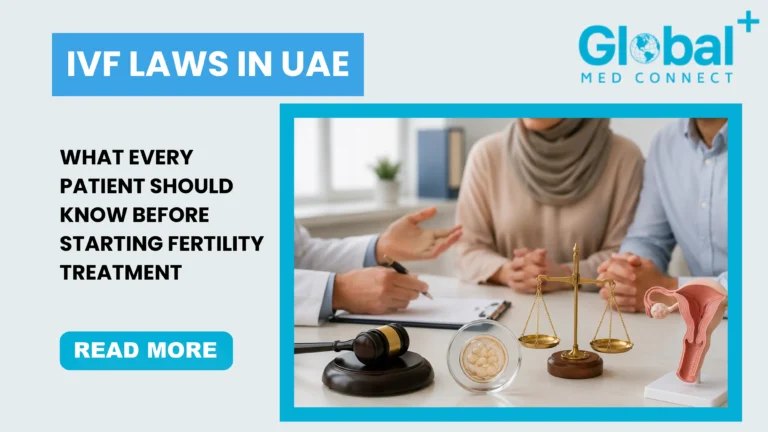
Understanding IVF Laws in UAE
The IVF laws in UAE are governed by federal healthcare regulations designed to ensure patient safety, ethical medical practice, and responsible use of assisted reproductive technologies (ART). These laws regulate fertility clinics, define patient eligibility, establish embryo handling protocols, and outline the responsibilities of licensed healthcare professionals.
Additionally, fertility clinics must obtain approval from the relevant UAE health authorities before providing IVF services. This strict regulatory framework helps maintain high standards of care while protecting patient rights.
If you are planning treatment, understanding these legal requirements beforehand can help avoid unnecessary delays and ensure a smoother fertility journey.
Who Can Undergo IVF Treatment Under UAE Law?
One of the most important aspects of IVF laws in UAE is determining who qualifies for treatment.
Generally, IVF treatment is available to:
- Legally married heterosexual couples
- Couples using their own eggs and sperm
- Patients receiving treatment at licensed fertility centers
- Individuals who meet medical eligibility requirements determined by fertility specialists
Since regulations may evolve, patients should always consult a licensed fertility expert before beginning treatment.
To better understand the complete treatment process, read our step-by-step guide to the IVF procedure in the UAE.
Egg Donation and Sperm Donation Under IVF Laws in UAE
One of the defining features of IVF laws in UAE is the restriction on third-party reproductive assistance.
Currently, UAE regulations generally do not permit:
- Anonymous egg donation
- Anonymous sperm donation
- Embryo donation
- Gestational surrogacy
- Commercial surrogacy arrangements
Instead, fertility treatment must typically use the genetic material of the legally married couple undergoing treatment.
These regulations aim to preserve legal parenthood, family lineage, and ethical standards within the country’s healthcare system.
Embryo Freezing and Storage Regulations
Modern IVF often involves creating multiple embryos during one treatment cycle. Consequently, patients frequently ask whether embryo freezing is allowed.
Under applicable IVF laws in UAE, embryo freezing may be permitted under regulated circumstances within licensed fertility centers. However, storage, usage, and disposal must comply with UAE healthcare regulations and the consent provided by both spouses.
Patients should discuss:
- Storage duration
- Renewal policies
- Consent requirements
- Future embryo use
- Disposal procedures
Understanding these policies before treatment helps patients plan future fertility options more effectively.
Ethical Principles Behind IVF Laws in UAE
Legal compliance goes hand in hand with ethical medical practice. The ethical framework supporting IVF laws in UAE focuses on patient welfare, transparency, and responsible reproductive medicine.
Key ethical principles include:
Patient Consent
Both spouses must provide informed consent before treatment begins. Fertility specialists explain:
- Treatment options
- Success rates
- Possible complications
- Financial considerations
- Alternative approaches
Patient Privacy
Licensed fertility clinics follow strict confidentiality standards to protect medical records and personal information.
Medical Safety
Clinics must adhere to established quality standards, laboratory protocols, and infection-control measures to maximize patient safety.
Professional Accountability
Only qualified reproductive medicine specialists working in licensed facilities can perform IVF procedures.
Rights and Responsibilities of Patients
Patients also have important responsibilities throughout their fertility journey.
These include:
- Providing accurate medical history
- Following prescribed treatment protocols
- Attending scheduled appointments
- Signing informed consent documents
- Understanding legal obligations regarding embryos
At the same time, patients have the right to:
- Receive transparent medical advice
- Ask questions before treatment
- Understand costs clearly
- Receive respectful and confidential care
- Seek second medical opinions when appropriate
Why Legal Awareness Matters Before IVF
Understanding IVF laws in UAE offers several important advantages.
Patients who know the legal framework are more likely to:
- Choose licensed fertility centers
- Avoid misinformation found online
- Make informed treatment decisions
- Understand limitations regarding donor programs
- Prepare required documentation in advance
Moreover, legal awareness reduces unnecessary stress during an already emotional fertility journey.
International Patients Seeking IVF in UAE
The UAE has become a leading destination for fertility care due to its advanced medical infrastructure, internationally trained specialists, and modern reproductive technology.
However, international patients should remember that UAE fertility regulations may differ significantly from those in their home countries.
Before traveling, patients should:
- Verify eligibility requirements
- Carry marriage documentation if required
- Share previous fertility records
- Confirm treatment plans with the clinic
- Understand applicable legal regulations
Proper planning ensures a smoother treatment experience while remaining fully compliant with IVF laws in UAE.
Staying Updated on IVF Laws and Ethics in UAE
Healthcare regulations continue to evolve alongside medical advances. Therefore, patients should rely on licensed fertility specialists and official health authorities rather than social media or unofficial sources.
For a broader understanding of regulations and ethical considerations, explore our detailed guide on IVF laws and ethics in the UAE.
If you are considering fertility treatment, you can also learn more about our comprehensive IVF treatment services in the UAE.
For evidence-based reproductive health information, refer to the World Health Organization’s infertility resources.
You can also explore the Mayo Clinic’s overview of in vitro fertilization (IVF).
Final Thoughts
Understanding IVF laws in UAE is an essential first step for every couple considering fertility treatment. These regulations promote ethical medical practice, safeguard patient rights, and ensure treatments are delivered safely within licensed healthcare facilities.
By choosing reputable fertility providers, staying informed about legal requirements, and discussing every aspect of treatment with experienced specialists, patients can begin their parenthood journey with greater confidence and peace of mind.
Start Your Fertility Journey with Confidence
For expert guidance, compassionate care, and advanced fertility solutions tailored to your needs, visit Global Med Connect. Our experienced fertility specialists help patients navigate every stage of IVF treatment while ensuring compliance with the latest IVF laws in UAE, so you can focus on what matters most, building your family.
Frequently Asked Questions (FAQs)
Yes, IVF is legal in the UAE and is regulated by federal healthcare laws to ensure patient safety and ethical medical practices. Treatment is generally available for legally married heterosexual couples using their own eggs and sperm at licensed fertility clinics. Patients should always consult a qualified fertility specialist to understand the latest legal requirements before starting treatment.
Under current IVF laws in UAE, IVF treatment is generally available only to legally married heterosexual couples. Fertility clinics require valid marriage documentation before beginning treatment. As healthcare regulations may change over time, patients should verify the latest eligibility criteria with a licensed fertility clinic.
No. The IVF laws in UAE generally prohibit anonymous egg donation, sperm donation, embryo donation, and commercial surrogacy. IVF treatment is typically performed using the eggs and sperm of the legally married couple receiving treatment, in accordance with UAE healthcare regulations and ethical guidelines.
Yes, embryo freezing may be permitted at licensed fertility clinics in the UAE, subject to applicable healthcare regulations and informed consent from both spouses. Patients should discuss embryo storage duration, future use, renewal policies, and legal requirements with their fertility specialist before beginning treatment.
Understanding IVF laws in UAE helps patients make informed decisions about eligibility, legal documentation, embryo handling, fertility treatment options, and ethical considerations. Being aware of the regulations also reduces delays, ensures compliance with UAE healthcare laws, and allows patients to confidently plan their fertility journey with licensed specialists.
Contact us
Have Questions? We're Just a Click Away!
Call us to this number for immediate support
+971 56 757 0688
+44 7570569435


