
When considering fertility treatment, understanding each stage of the process can help reduce uncertainty and improve confidence. During IVF egg retrieval UAE treatment journeys, egg retrieval is one of the most important steps because it directly impacts embryo development and treatment outcomes. While many patients understand IVF broadly, they often have questions about how eggs are collected, whether the procedure is painful, and what recovery looks like afterward.
Fortunately, egg retrieval is generally a minimally invasive procedure performed by experienced fertility specialists. Moreover, modern fertility clinics in the UAE use advanced technology and patient-centered care approaches to improve safety and comfort. Therefore, understanding the process before treatment can help patients prepare physically and emotionally.
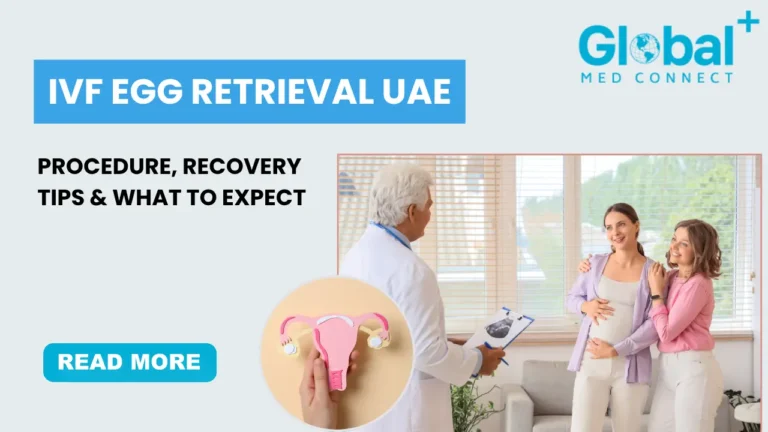
Understanding IVF Egg Retrieval UAE Treatment
IVF egg retrieval UAE refers to the procedure where mature eggs are collected from the ovaries during an in vitro fertilization cycle. The retrieved eggs are then fertilized in a laboratory to create embryos that can later be transferred into the uterus.
Before retrieval occurs, ovarian stimulation medications encourage the ovaries to produce multiple mature eggs rather than a single egg that naturally develops during a menstrual cycle.
For patients who are new to fertility treatment, reading a detailed IVF procedure guide can help provide a complete understanding of the treatment journey. Explore this guide on the IVF process and treatment stages:step-by-step IVF procedure guide
Why Egg Retrieval Is Important During IVF
Egg retrieval plays a critical role because the quality and number of retrieved eggs can influence later stages of IVF.
The procedure helps fertility specialists:
- Collect mature eggs for fertilization
- Increase chances of creating healthy embryos
- Support embryo selection processes
- Improve opportunities for successful implantation
- Enable fertility preservation options when necessary
Additionally, collecting several mature eggs often provides more opportunities for embryo development.
IVF Egg Retrieval UAE: Preparation Before the Procedure
Proper preparation contributes significantly to treatment success. Therefore, fertility specialists usually provide personalized instructions before retrieval day.
Medical Evaluation
Patients commonly undergo:
- Blood hormone testing
- Ultrasound monitoring
- Follicle measurements
- Medication reviews
- General health assessments
Ovarian Stimulation Phase
Before retrieval, ovarian stimulation medications are prescribed to encourage multiple follicles to mature.
To better understand this important stage, learn more about ovarian stimulation and fertility preparation in UAE clinics:ovarian stimulation expectations in fertility clinics
During stimulation, doctors monitor progress regularly because timing becomes extremely important for successful egg collection.
Trigger Injection Timing
Once follicles reach the desired size, patients receive a trigger injection. This medication helps mature the eggs and prepares them for retrieval.
Usually, retrieval occurs approximately 34–36 hours after the trigger shot.
IVF Egg Retrieval UAE: How the Procedure Is Done
Many patients feel anxious because they imagine a complicated surgery. However, the procedure is usually brief and minimally invasive.
Step 1: Arrival at the Fertility Clinic
On the day of retrieval:
- Patients arrive at the clinic a few hours early.
- Medical teams review treatment details.
- Vital signs are checked.
- Sedation preparation begins.
Because mild sedation or anesthesia is often used, patients typically feel relaxed and comfortable during the process.
Step 2: Ultrasound-Guided Egg Collection
The fertility specialist uses a thin needle attached to an ultrasound probe.
The procedure involves:
- Inserting a transvaginal ultrasound probe
- Guiding a fine needle toward ovarian follicles
- Aspirating follicular fluid
- Collecting eggs from mature follicles
The entire process generally takes approximately 20–30 minutes.
Step 3: Laboratory Processing
After retrieval:
- Embryologists identify collected eggs
- Eggs are examined for maturity
- Fertilization procedures begin
- Embryo development monitoring starts
Laboratory expertise plays an important role because embryo quality depends on careful handling and monitoring.
Does Egg Retrieval Hurt?
This is one of the most common concerns among fertility patients.
Most individuals experience little discomfort during the actual procedure because sedation is usually administered. However, mild symptoms afterward may occur.
Common temporary symptoms include:
- Mild cramping
- Pelvic pressure
- Bloating
- Light spotting
- Fatigue
Most symptoms improve within several days.
According to the World Health Organization reproductive health resources, patient education and supportive fertility care contribute significantly to treatment experiences and informed decision-making.
What Happens Immediately After Egg Retrieval?
Recovery begins immediately after the procedure.
Patients usually spend a short observation period in the clinic before returning home.
Healthcare providers may recommend:
- Resting for the remainder of the day
- Avoiding heavy exercise
- Drinking sufficient water
- Taking prescribed medications if necessary
- Having someone accompany them home
Because sedation may temporarily affect alertness, driving immediately after treatment is generally avoided.
IVF Egg Retrieval UAE Recovery Tips
Recovery varies between individuals. Nevertheless, several practical steps may support comfort and healing.
Stay Hydrated
Hydration helps reduce bloating and supports overall recovery.
Recommended options include:
- Water
- Electrolyte drinks
- Clear soups
- Fresh fluids
Eat Light but Nutritious Meals
The body benefits from balanced nutrition after retrieval.
Helpful foods may include:
- Fruits
- Lean proteins
- Whole grains
- Vegetables
- Yogurt
Heavy or excessively processed foods may increase digestive discomfort.
Avoid Intense Physical Activity
Patients should avoid:
- Heavy lifting
- Running
- High-intensity workouts
- Strenuous exercise
Instead, gentle movement and short walks may support circulation without creating additional pressure.
Monitor Symptoms Carefully
While mild discomfort is expected, certain symptoms require medical attention.
Contact a healthcare provider if experiencing:
- Severe abdominal pain
- Excessive bleeding
- Difficulty breathing
- Significant swelling
- Fever
- Persistent nausea
Understanding Ovarian Hyperstimulation Syndrome (OHSS)
Although uncommon, some individuals may develop ovarian hyperstimulation syndrome (OHSS).
OHSS occurs when the ovaries respond excessively to stimulation medications.
Symptoms may include:
- Severe bloating
- Rapid weight gain
- Nausea
- Abdominal discomfort
- Shortness of breath
According to Mayo Clinic fertility and IVF guidance, fertility teams monitor patients closely to reduce potential treatment risks.
Modern IVF protocols increasingly focus on prevention and personalized treatment planning.
Patients considering fertility treatment can also explore available IVF fertility services and treatment options:advanced IVF fertility services in UAE
Conclusion
Understanding IVF egg retrieval UAE procedures can help patients approach treatment with greater confidence. Although the process may initially seem overwhelming, egg retrieval is typically a short and well-managed procedure designed with patient comfort in mind.
Furthermore, following recovery recommendations, staying informed, and maintaining communication with fertility specialists can help improve the overall experience. Every fertility journey differs, yet preparation and knowledge often reduce stress and support better decision-making.
Ready to Begin Your Fertility Journey?
For personalized fertility guidance, advanced reproductive treatments, and compassionate patient support, visit Global Med Connect. Connect with experienced professionals and explore tailored solutions designed to support your path toward parenthood.
Frequently Asked Questions (FAQs)
Most patients undergoing IVF egg retrieval UAE procedures experience little or no pain during the actual treatment because fertility specialists typically use sedation or light anesthesia. However, after the procedure, some people may notice mild cramping, pelvic pressure, bloating, or slight spotting. These symptoms usually improve within a few days. If severe pain or heavy bleeding occurs, patients should contact their fertility team immediately for evaluation.
Recovery after IVF egg retrieval UAE treatment varies from person to person, but many individuals return to normal daily activities within 24–48 hours. Mild discomfort such as bloating or fatigue can continue for several days. Drinking enough water, eating balanced meals, avoiding strenuous activities, and following your doctor’s instructions may help support a smoother recovery process.
After egg retrieval, fertility specialists generally recommend avoiding heavy exercise, lifting weights, smoking, alcohol consumption, and physically demanding activities for a few days. In addition, patients should prioritize rest and hydration. Following these precautions may help reduce discomfort and support the body’s healing process while lowering the risk of complications.
Yes, ovarian stimulation plays a major role in improving IVF success rates because it helps produce multiple eggs instead of a single egg during a natural cycle. More eggs increase the chances of successful fertilization, healthy embryo development, and future embryo freezing opportunities. However, IVF success also depends on factors such as age, egg quality, sperm health, and overall reproductive health.
Although mild bloating and discomfort are common, patients should seek medical advice if they experience severe abdominal pain, excessive bleeding, difficulty breathing, rapid weight gain, fever, or severe swelling. These symptoms may indicate complications such as ovarian hyperstimulation syndrome (OHSS) or other medical concerns. Early communication with your fertility specialist helps ensure appropriate care and timely treatment.
Contact us
Have Questions? We're Just a Click Away!
Call us to this number for immediate support
+971 56 757 0688
+44 7570569435


