
Embryo transfer is one of the most important milestones in the IVF process. For many hopeful parents, this day represents the moment when months of planning, medical evaluations, fertility treatments, and emotional investment come together. While the procedure itself is typically quick and painless, understanding what happens before, during, and after embryo transfer can help reduce anxiety and improve confidence.
For patients undergoing fertility treatment in the UAE, having clear expectations about embryo transfer day is essential. From preparation guidelines to recovery recommendations, this comprehensive guide explains everything you need to know about embryo transfer and how it fits into your fertility journey.
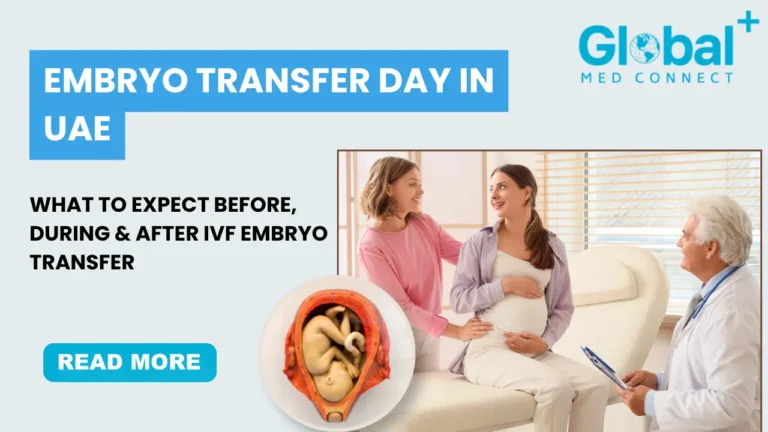
What Is Embryo Transfer?
Embryo transfer is the final stage of an IVF cycle where one or more embryos created in a laboratory are carefully placed into the uterus. Once transferred, the embryo may implant into the uterine lining and develop into a pregnancy.
The procedure is performed after fertilization and embryo development in the IVF laboratory. Before reaching this stage, eggs are retrieved from the ovaries and fertilized using sperm. The resulting embryos are monitored and assessed by embryologists to identify those with the highest implantation potential.
If you would like to understand the complete fertility treatment process, read our detailed guide on the IVF procedure in UAE step by step.
Why Is Embryo Transfer Important?
Embryo transfer is the stage where laboratory success meets biological implantation. Although embryo quality is critical, successful implantation also depends on factors such as:
- Uterine receptivity
- Endometrial thickness
- Hormonal balance
- Maternal age
- Overall reproductive health
- Embryo development stage
Therefore, fertility specialists carefully plan the timing of embryo transfer to maximize the chances of pregnancy.
Types of Embryo Transfer
Fresh Embryo Transfer
In a fresh embryo transfer, embryos are transferred into the uterus during the same IVF cycle as egg retrieval.
Benefits may include:
- Shorter treatment timeline
- No need for embryo freezing
- Immediate continuation of the IVF cycle
However, not all patients are suitable candidates for fresh transfers.
Frozen Embryo Transfer (FET)
In a frozen embryo transfer, embryos are cryopreserved and transferred during a later cycle.
Advantages include:
- Better uterine preparation
- Reduced risk of ovarian hyperstimulation syndrome (OHSS)
- Greater scheduling flexibility
- Comparable or improved success rates in many cases
Many fertility specialists now recommend frozen embryo transfer depending on individual patient circumstances.
How Are Embryos Selected for Transfer?
Before embryo transfer, embryologists assess embryo quality using established grading systems. Several characteristics are evaluated, including:
- Cell division pattern
- Blastocyst development
- Morphology
- Expansion stage
- Inner cell mass quality
Understanding embryo quality can help patients better interpret treatment recommendations. Learn more in our guide to embryo grading and IVF lab culturing process.
Preparing for Embryo Transfer Day
Proper preparation can help ensure a smooth experience.
Medical Preparation
Your fertility specialist may recommend:
- Progesterone supplementation
- Hormonal medications
- Ultrasound monitoring
- Blood tests
Following all medication instructions carefully is essential.
Lifestyle Preparation
Before embryo transfer, patients are often advised to:
- Stay hydrated
- Get adequate sleep
- Avoid smoking
- Limit alcohol consumption
- Follow a balanced diet
- Manage stress levels
Although lifestyle changes cannot guarantee implantation, they support overall reproductive health.
Bladder Preparation
Many clinics ask patients to arrive with a moderately full bladder.
A full bladder helps:
- Improve ultrasound visualization
- Straighten the uterine angle
- Facilitate accurate catheter placement
Always follow your clinic’s specific instructions.
What Happens on Embryo Transfer Day?
Understanding the process can significantly reduce anxiety.
Step 1: Arrival and Verification
Upon arrival, the fertility team confirms patient identity and reviews treatment details.
The selected embryo or embryos are carefully verified before the procedure.
Step 2: Embryo Preparation
The embryology laboratory prepares the embryo for transfer using specialized equipment and sterile techniques.
Step 3: The Transfer Procedure
The embryo transfer procedure generally takes 10–20 minutes.
During the procedure:
- A speculum is inserted into the vagina.
- The cervix is gently cleaned.
- A thin catheter containing the embryo is guided through the cervix.
- Ultrasound guidance is used to ensure accurate placement.
- The embryo is released into the uterine cavity.
The process is usually painless, although some patients may experience mild discomfort.
Step 4: Post-Transfer Rest
Most clinics recommend a brief rest period immediately after the procedure.
However, prolonged bed rest is generally not necessary.
According to the Mayo Clinic, routine activities can typically be resumed shortly after embryo transfer unless your physician advises otherwise.
Is Embryo Transfer Painful?
Most patients describe embryo transfer as similar to a routine gynecological examination.
Common sensations include:
- Mild cramping
- Pressure from the speculum
- Temporary pelvic discomfort
Severe pain is uncommon and should be reported to your fertility specialist immediately.
What Happens After Embryo Transfer?
The period following embryo transfer is often referred to as the “two-week wait.”
During this time:
- The embryo attempts implantation.
- Hormonal support medications continue.
- Pregnancy testing is scheduled.
Although this waiting period can be emotionally challenging, maintaining realistic expectations is important.
What Should You Avoid After Embryo Transfer?
After embryo transfer, fertility specialists commonly recommend avoiding:
- Smoking
- Excessive caffeine
- Alcohol consumption
- Heavy lifting
- Intense exercise
- Unapproved medications
Instead, focus on maintaining normal daily activities and following medical guidance.
Factors That Influence Embryo Transfer Success
Several factors can affect implantation outcomes.
Maternal Age
Younger patients generally have higher implantation rates due to better egg quality.
Embryo Quality
High-quality embryos typically demonstrate greater implantation potential.
Endometrial Receptivity
A healthy uterine lining plays a significant role in successful implantation.
Lifestyle Factors
Nutrition, sleep quality, stress management, and overall health may contribute to reproductive outcomes.
Medical Conditions
Conditions such as endometriosis, uterine abnormalities, or hormonal disorders can influence implantation success.
According to the World Health Organization (WHO), fertility outcomes are affected by multiple biological and lifestyle factors that require individualized medical assessment.
Choosing the Right IVF Center in UAE
The success of embryo transfer depends not only on the procedure itself but also on the expertise of the fertility team, laboratory quality, and personalized treatment planning.
When selecting an IVF provider, consider:
- Experienced fertility specialists
- Advanced embryology laboratories
- Comprehensive fertility services
- Transparent treatment protocols
- Patient-centered care
Learn more about advanced IVF treatment options in UAE through our fertility services page.
Take the Next Step Toward Parenthood
If you are considering IVF treatment or preparing for an embryo transfer in the UAE, the fertility specialists at Global Med Connect can help guide your journey with personalized care, advanced reproductive technologies, and comprehensive treatment support.
Visit Global Med Connect today at to explore fertility treatment options and connect with experienced IVF specialists dedicated to helping you achieve your parenthood goals.
Frequently Asked Questions About Embryo Transfer
Most fertility specialists recommend waiting 10–14 days after embryo transfer before taking a pregnancy test. Although it may be tempting to test earlier, doing so can lead to false-positive or false-negative results. A blood beta-hCG test performed at your fertility clinic provides the most accurate confirmation of pregnancy. Therefore, following your doctor’s recommended testing schedule is the best way to avoid unnecessary stress and uncertainty.
After embryo transfer, it is important to avoid smoking, alcohol consumption, recreational drugs, excessive caffeine intake, heavy lifting, and high-intensity exercise. Additionally, patients should continue all prescribed medications exactly as directed. While normal daily activities are generally safe, maintaining a healthy lifestyle, staying hydrated, getting adequate sleep, and managing stress can help support overall reproductive health during the implantation period.
Yes, mild cramping and light spotting can occur after embryo transfer and are often considered normal. These symptoms may result from the procedure itself or early implantation. However, not every patient experiences these signs, and their presence or absence does not determine whether the embryo transfer has been successful. If you experience severe pain, heavy bleeding, fever, or unusual symptoms, contact your fertility specialist promptly for evaluation.
Current medical evidence suggests that prolonged bed rest after embryo transfer does not improve pregnancy success rates. In fact, most fertility specialists encourage patients to resume light daily activities shortly after the procedure. Gentle movement, normal routines, and stress reduction are generally preferred over extended inactivity. However, every patient is different, so it is important to follow the specific instructions provided by your fertility care team.
Embryo transfer success rates vary depending on several factors, including maternal age, embryo quality, uterine health, underlying fertility conditions, and whether a fresh or frozen embryo transfer is performed. While high-quality embryos and a receptive uterine lining can improve the likelihood of implantation, no IVF treatment can guarantee pregnancy. Consulting an experienced fertility specialist can help you better understand your individual success prospects and develop a personalized treatment plan.
Contact us
Have Questions? We're Just a Click Away!
Call us to this number for immediate support
+971 56 757 0688
+44 7570569435


